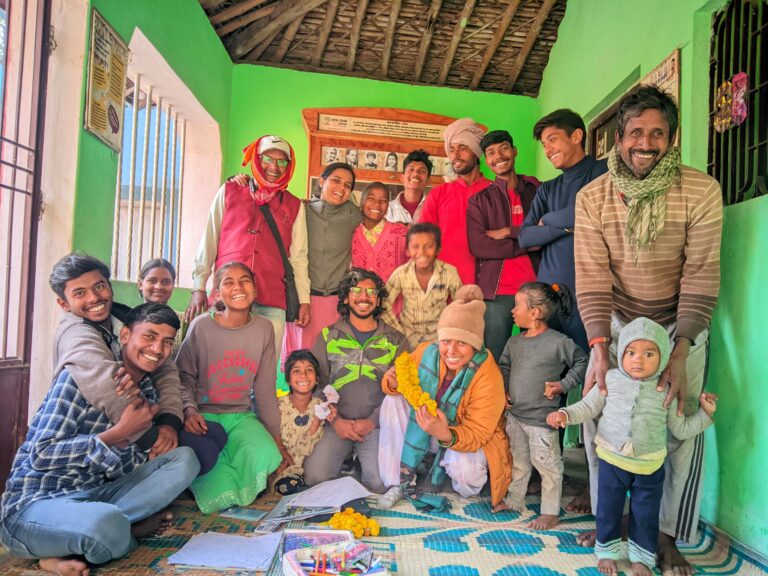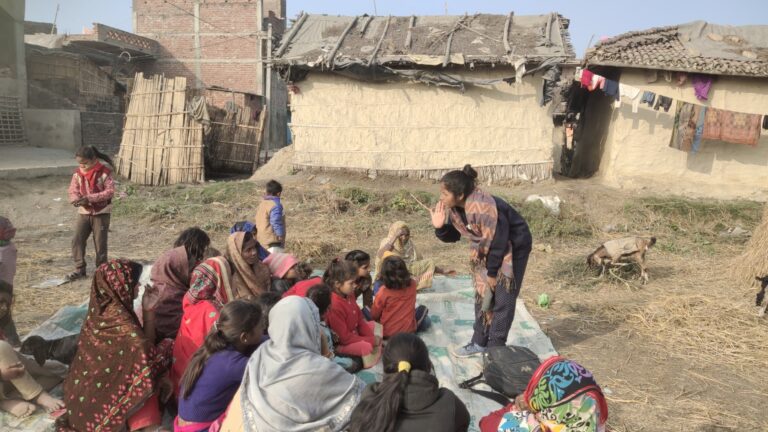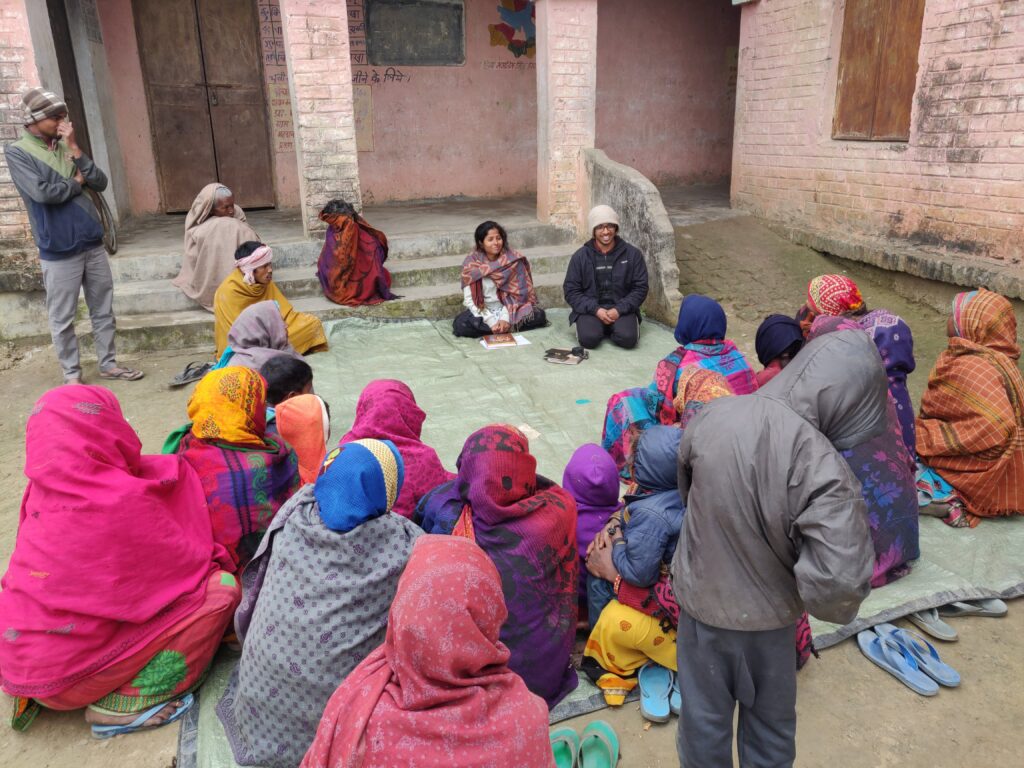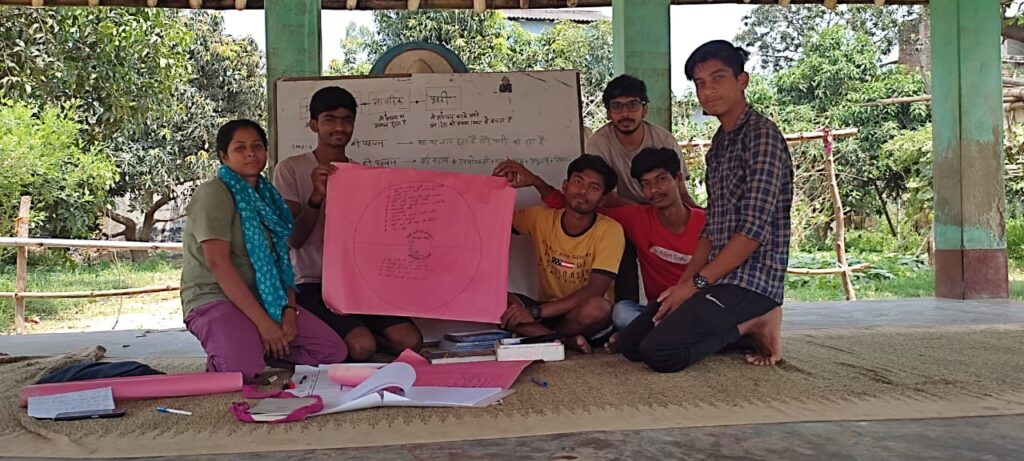
From Lived Reality to Collective Renewal
Our journey back to the village is not about starting something new — it’s about restoring what was always ours: the right to participate, decide, and co-create.
Born of the Soil, Drawn to the Streets of Thought
The Story Begins — Who We Are
Alok and Priyanka were not just observers of rural life — they were born into it.
Their early years in the villages of Sitamarhi, Bihar, were marked by everyday struggles that rarely make headlines — broken classrooms, absent health workers, silenced Gram Sabhas, and a sense that decisions were always made somewhere else. Women’s presence in public life was often symbolic, and youth were told that real opportunities lay only beyond the village.
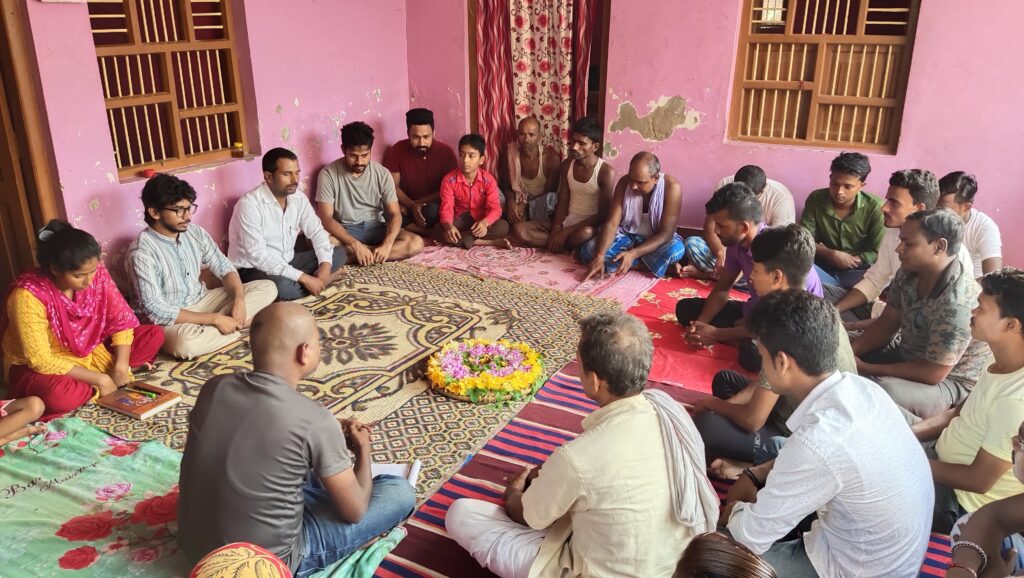
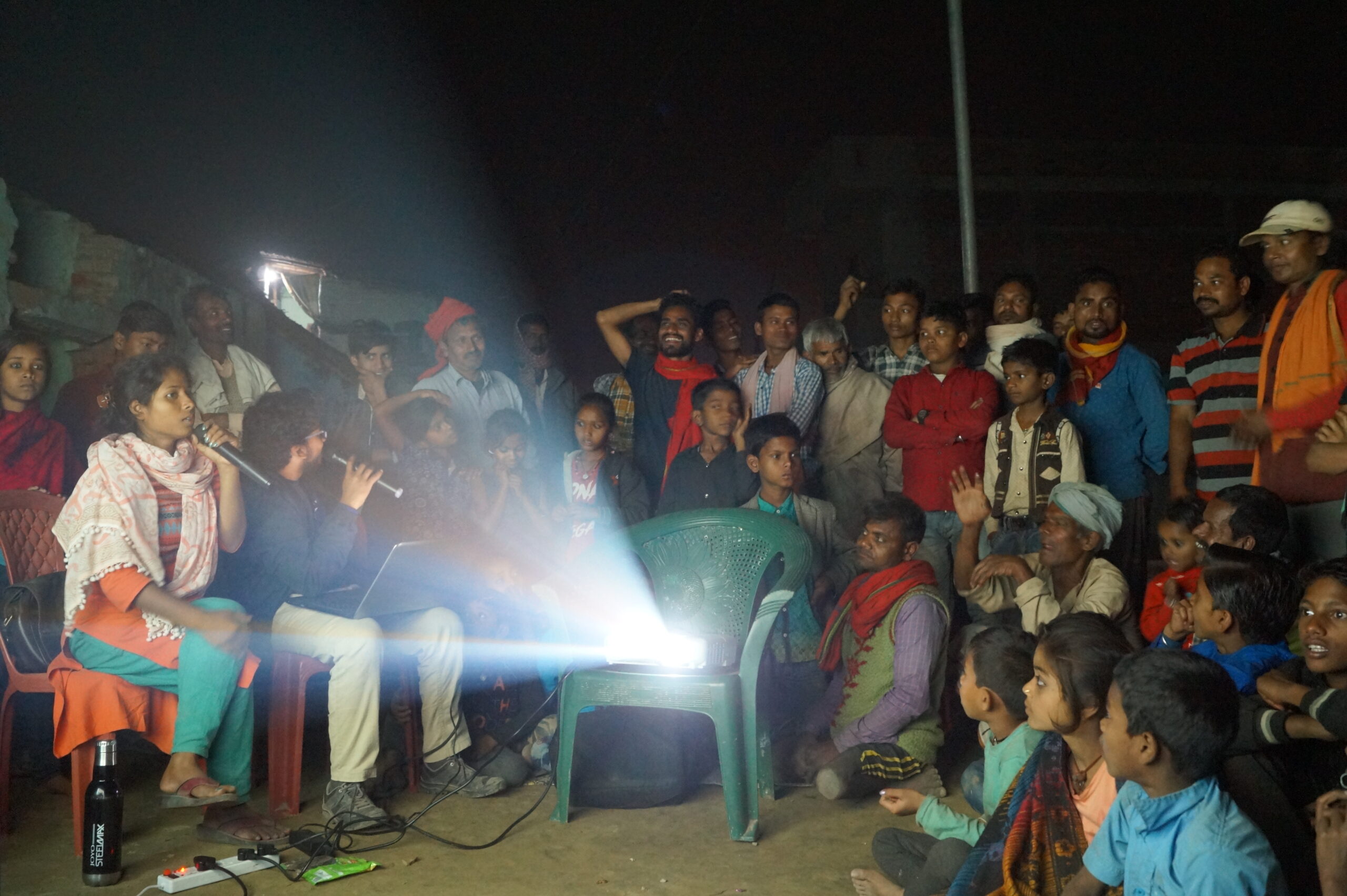
Their journey to urban spaces — in search of education, clarity, and language — brought them face-to-face with new ideas, tools, and vocabularies. In a peer-led learning commune in Delhi called Pechida-Gali, they experienced a living form of collective leadership — where decisions were made together, power was shared, and learning was rooted in reflection and dialogue.
It led them to a simple but radical question:
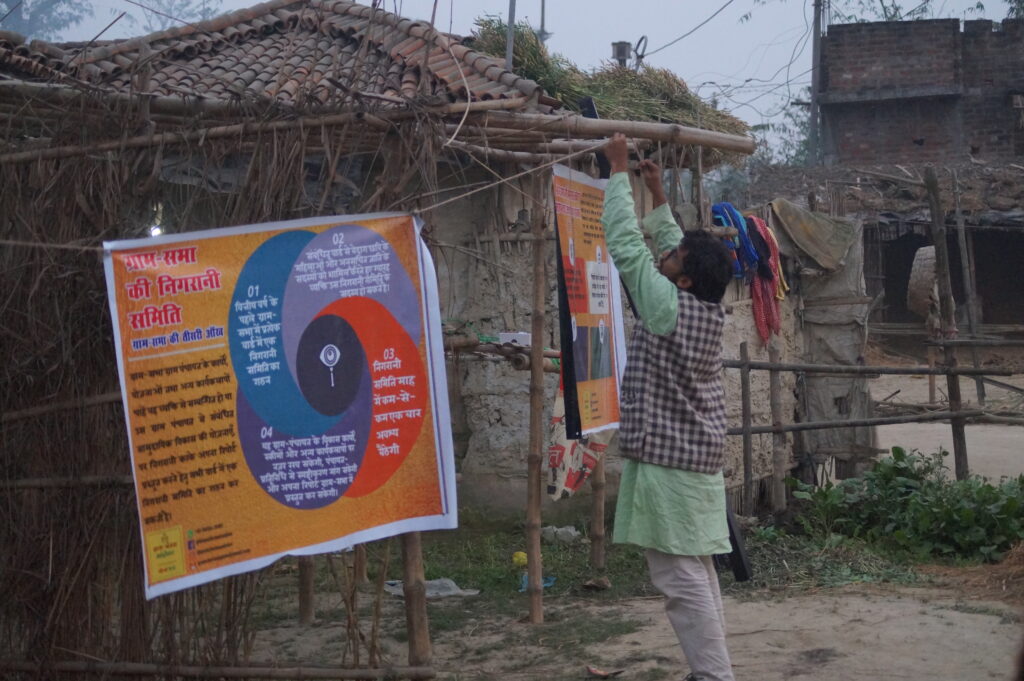
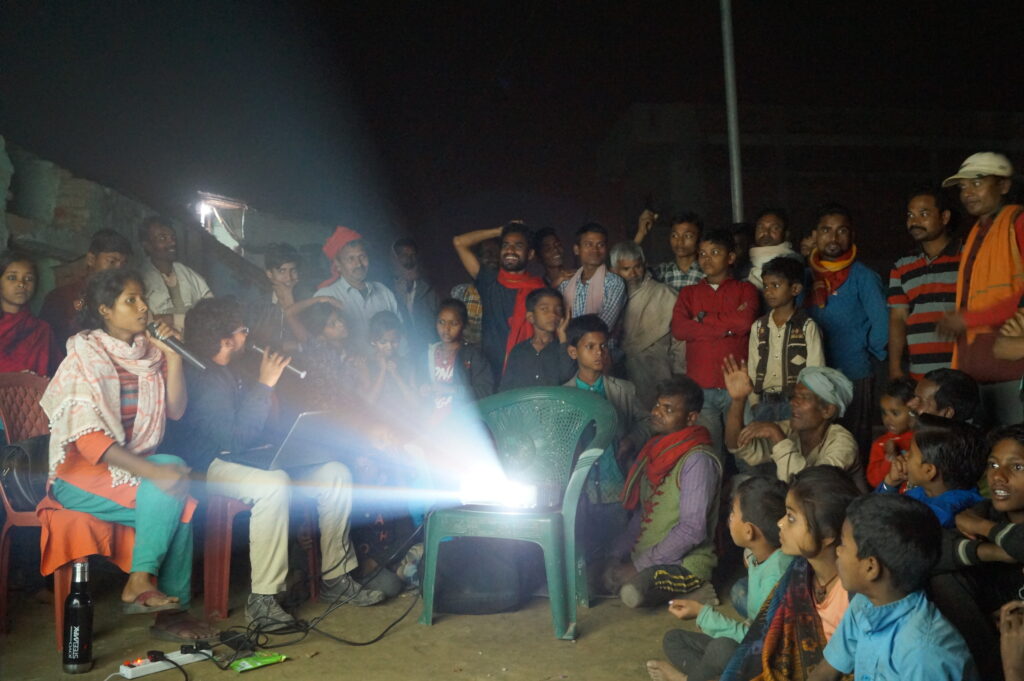
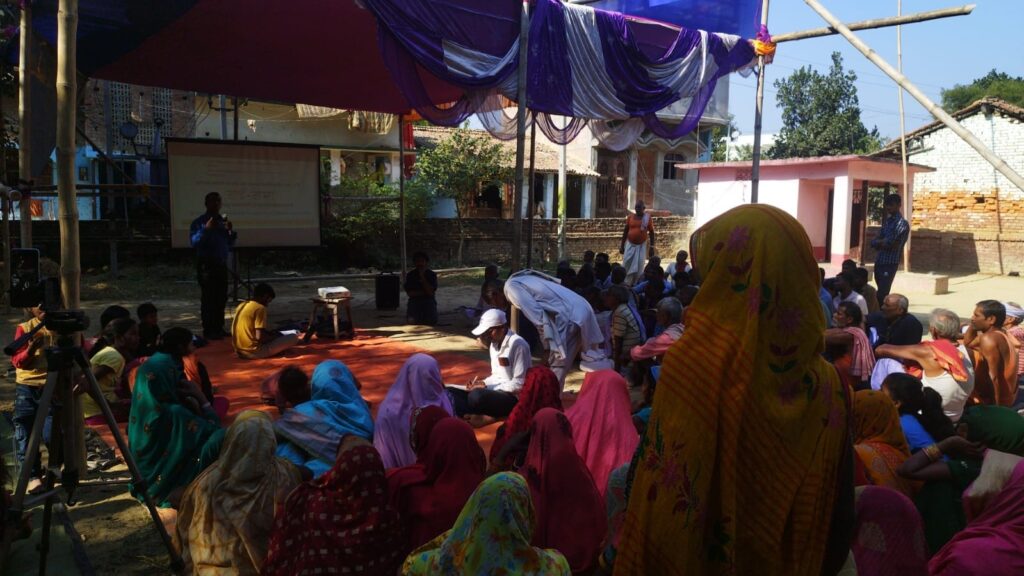
What if such democratic energy could be brought back to the village? What if the Gram Sabha — the foundational institution of Indian democracy — could be revived as a space of local problem-solving, trust-building, and shared leadership?
Village in Crisis — Not One, But Many
Understanding the Crisis

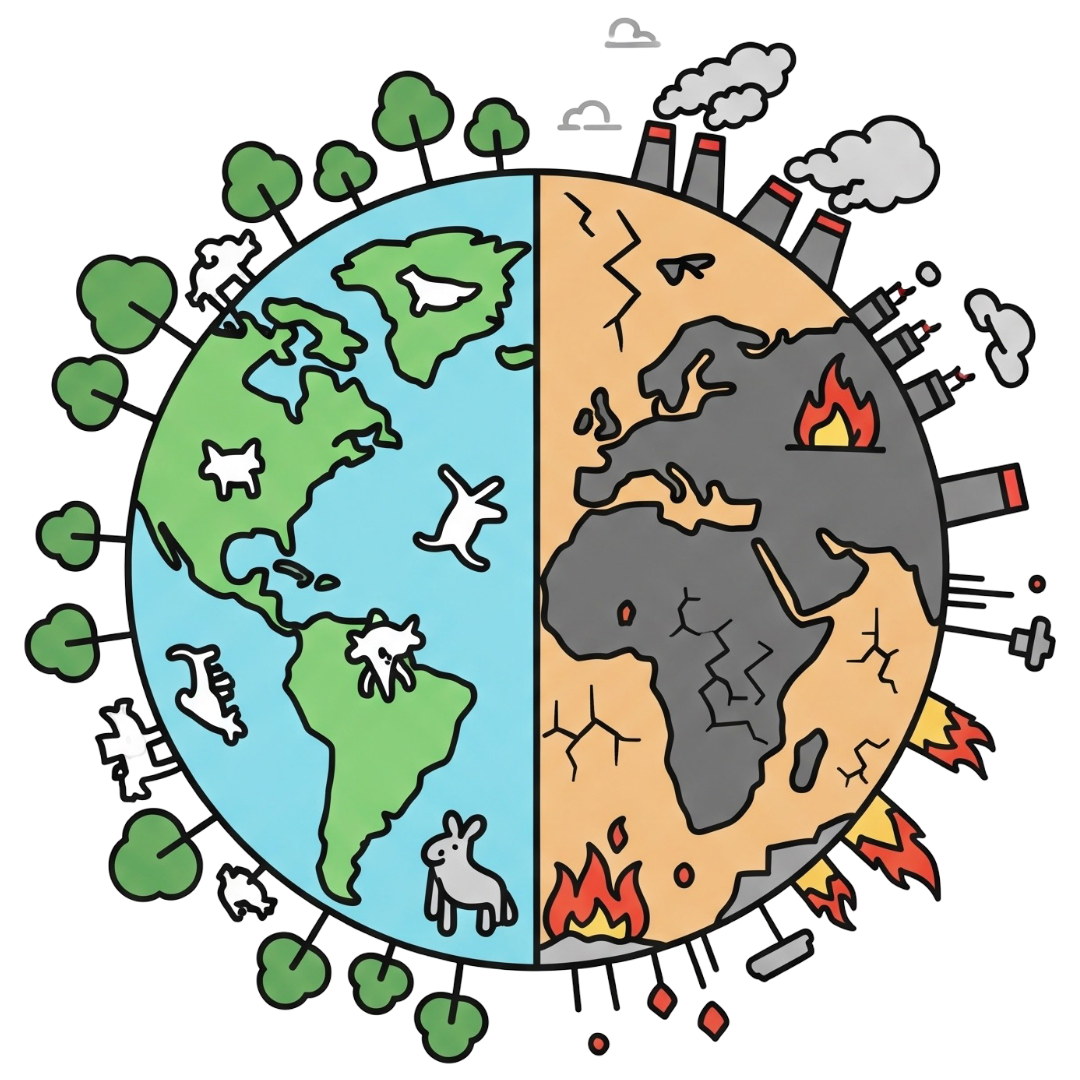
Climate instability & ecological disruption
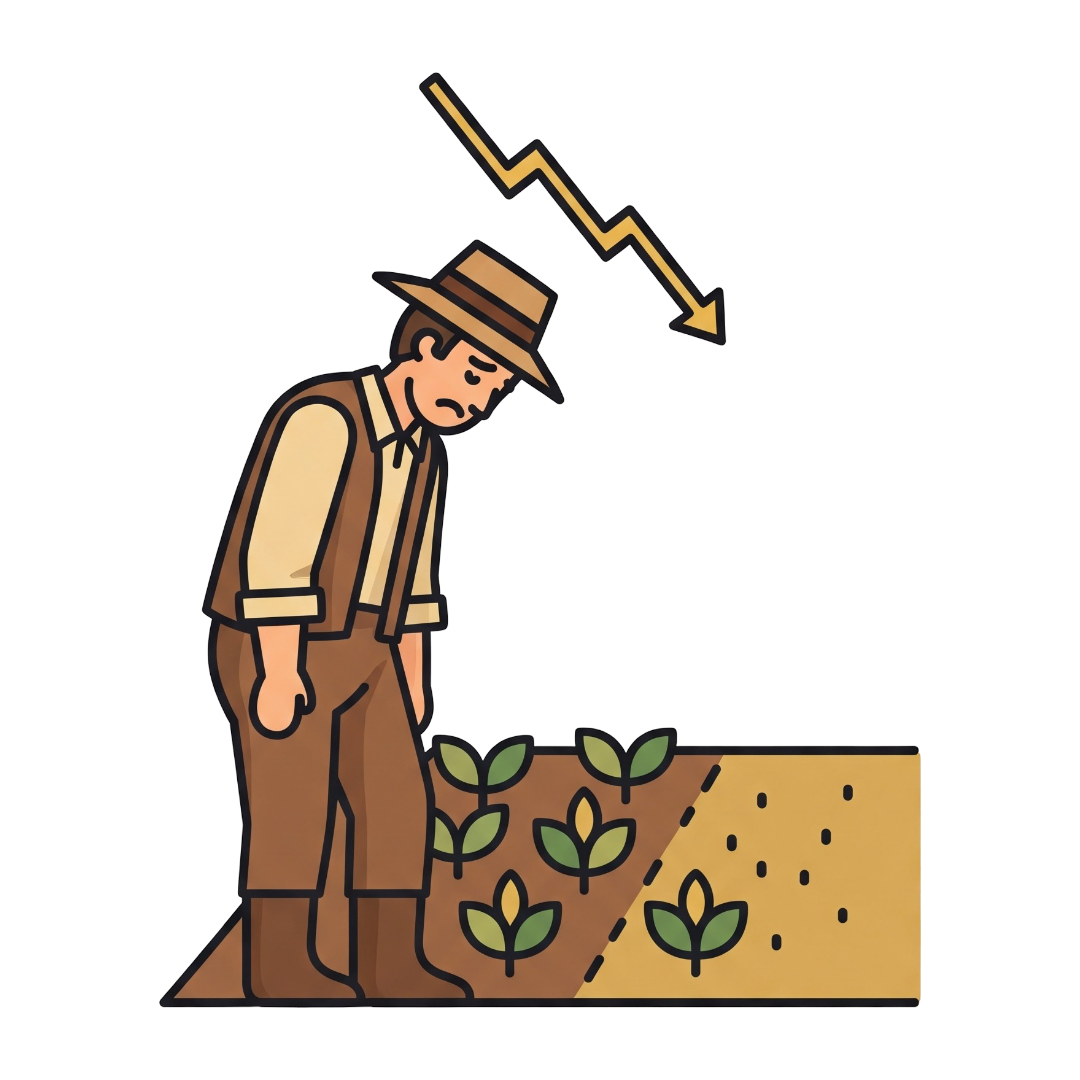
86% small/marginal farmers with stagnant incomes
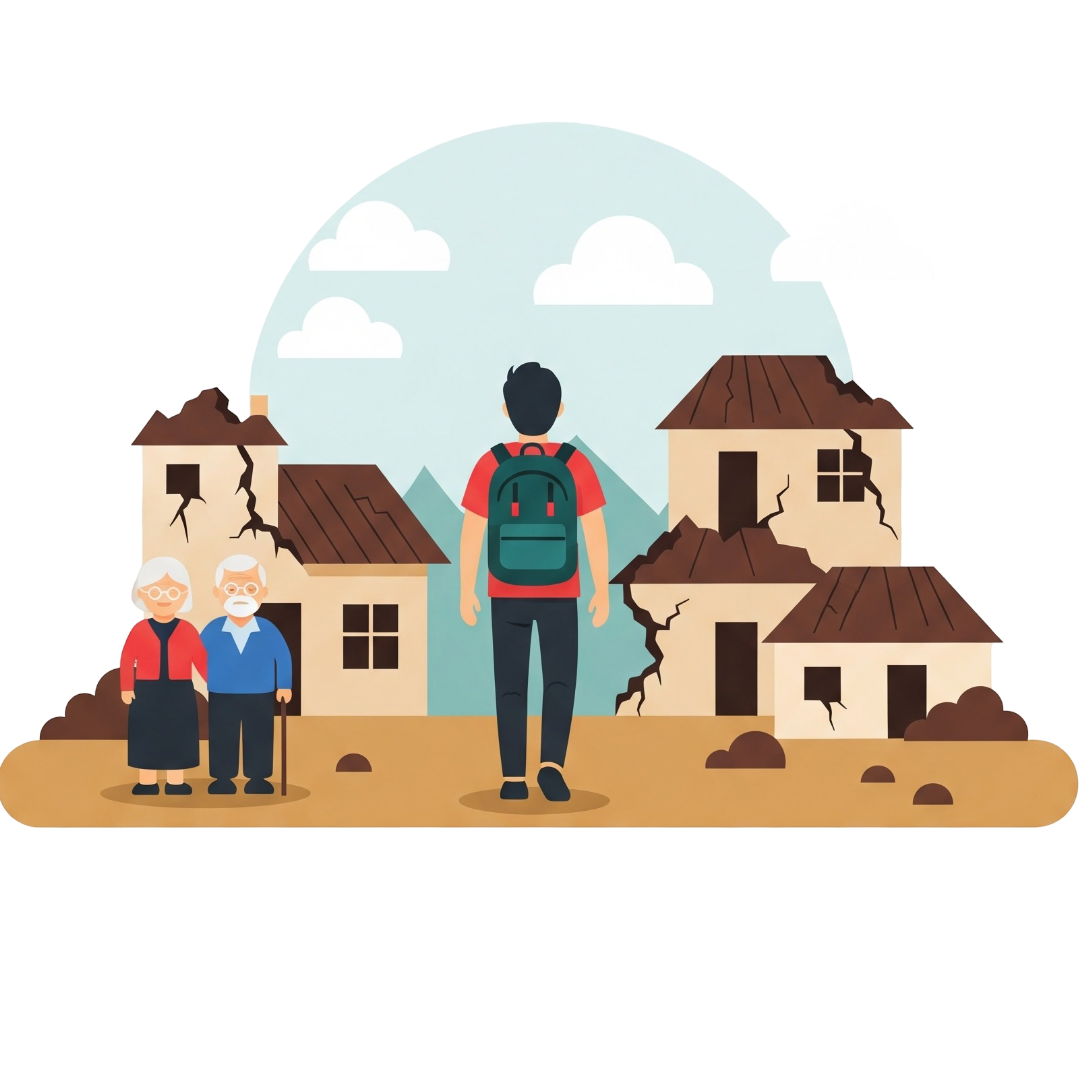
Migration of youth & breakdown of community fabric
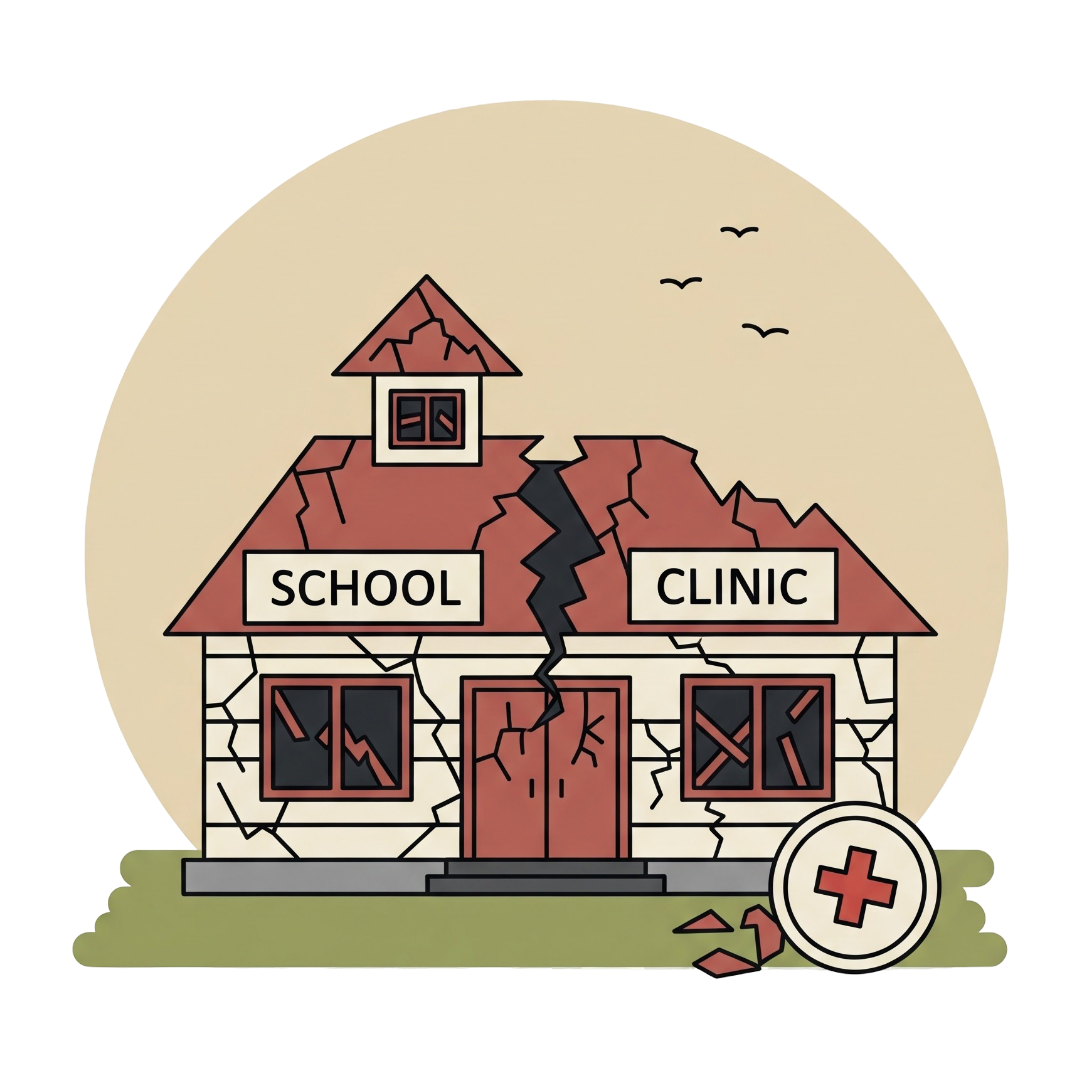
Collapse of public services

Dormant Gram Sabhas (93% inactive in 2024–25)

Symbolic leadership and disconnection from governance
Rediscovering the Promise of the Constitution
The Constitution’s Vision of Local Self-Governance
The Constitution of India, through its Directive Principles, laid the foundation for a decentralised democracy — where power would flow not just from Parliament or state capitals, but from the people themselves, starting at the village level.
Panchayati Raj institutions were envisioned not as token administrative bodies, but as real platforms of people’s participation, accountability, and leadership. The Gram Sabha, in particular, was imagined as the most immediate and powerful forum for rural citizens — a space where budgets are discussed, decisions are made, and the state is held accountable.
But somewhere along the way, the spirit of that promise was lost. Participation became procedural. Ownership faded. Leadership was outsourced.
We are not just seeing this as a gap — but a possibility: to reclaim that constitutional vision, from the ground up.
Our response to the crisis begins where we were born — in the villages of Sitamarhi.
Why Here?
Our Region, Our Responsibility
Our response to the crisis begins where we were born — in the villages of Sitamarhi.
We chose to begin where our roots lie — in Sitamarhi, a flood-prone, socio-economically marginalised district in North Bihar, along the India–Nepal border. This is not just our place of origin; it is our site of responsibility. Amidst recurring natural disasters, deep structural inequities, and fading public trust, the response to today’s multi-layered crisis cannot be top-down — it must be hyperlocal. By working across 45 Panchayats in Sonbarsa and Parihar blocks, we are prioritising depth over scale, committed to rebuilding the broken fabric of rural community life from within. Ours is not a story of brain drain — it is a conscious return, a refusal to turn away, and a decision to stand where repair begins.
Timeline from 2020 to present:
The Emergence of Gram Chetna Andolan